
Ruach Across a Continent: Reflections on My Summer Visits to Ramah
Randy Michaels, Vice Chancellor and Chief Operating Officer, JTS
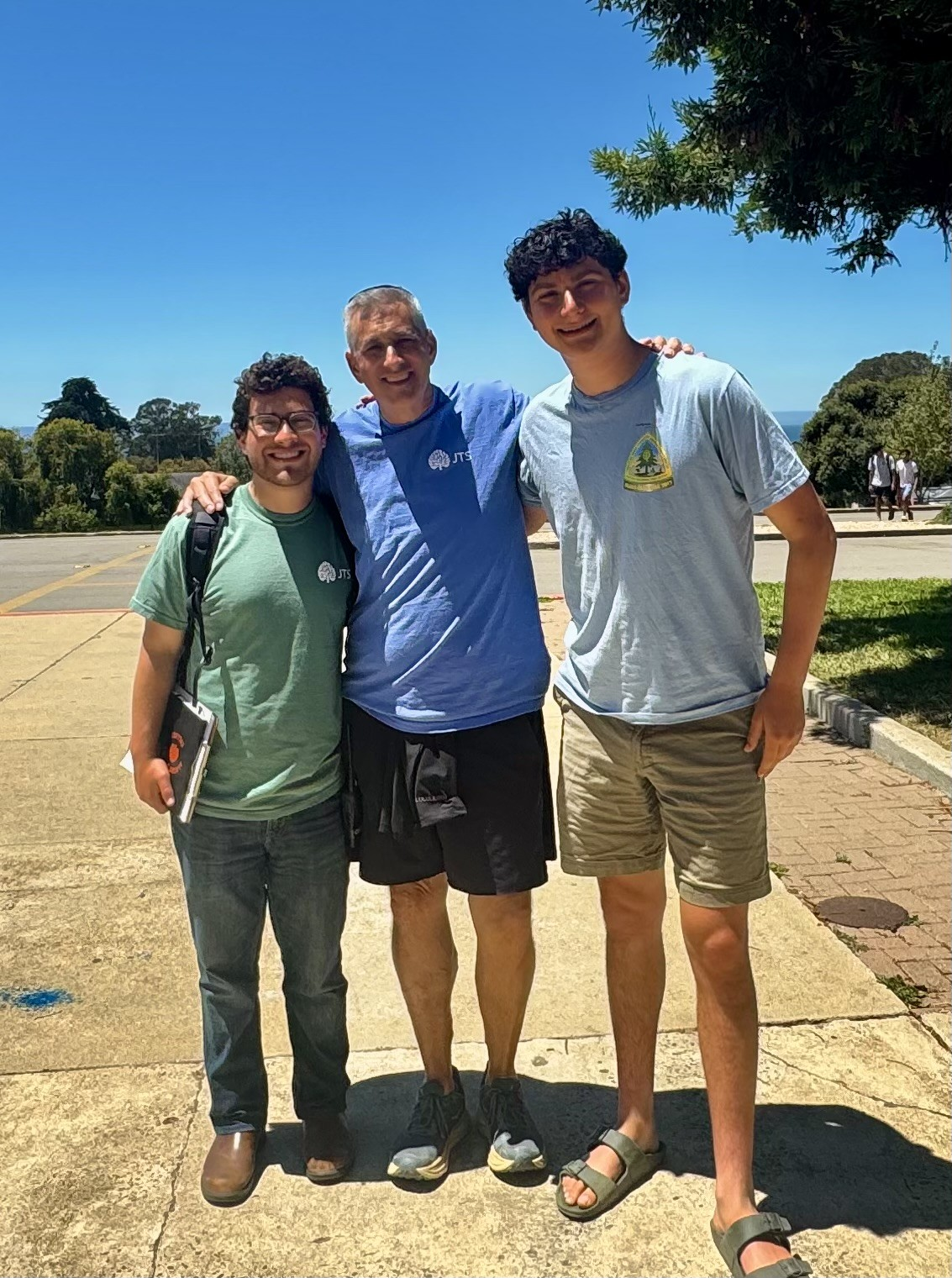
This summer, I had the profound privilege of visiting all nine Ramah overnight camps and Ramah Day Camp in Nyack—an experience that carried me from the lakes of Canada, Wisconsin, Poconos, Berkshires, and New England, to the peaks of the Rockies, from the heart of the South to the shores of Northern California, and back home again to the Ojai Valley, where I worked for eighteen years. It was a summer of movement, but also, in a deeper sense, a summer of stillness: the chance to slow down and simply witness the Ramah ruach (spirit) as it lives and breathes in each of its distinct communities.
That spirit greeted me at Ramah Nyack, where I had the joy of experiencing the camp's Zimriyah in full voice—edah after edah rising to sing. At Ramah Darom, I joined the camp's Erev Shabbat Rap, a joyful roll call of every state and region the chanichim (campers) had traveled from across the South, a reminder of just how far Ramah's reach extends and how naturally it brings a region's Jewish community together under one roof. At Ramah Canada, I spent an afternoon on the water, boating across lakes so beautiful they seemed designed to slow your breathing, and was met everywhere I turned by the same warm hospitality that has defined every stop on this journey. And for the first time in my life, I stood among the mountains of Ramah in the Rockies—a landscape so vast and so quiet that it is impossible not to feel, immediately, why the chanichim and tzevet describe that camp as sacred ground.
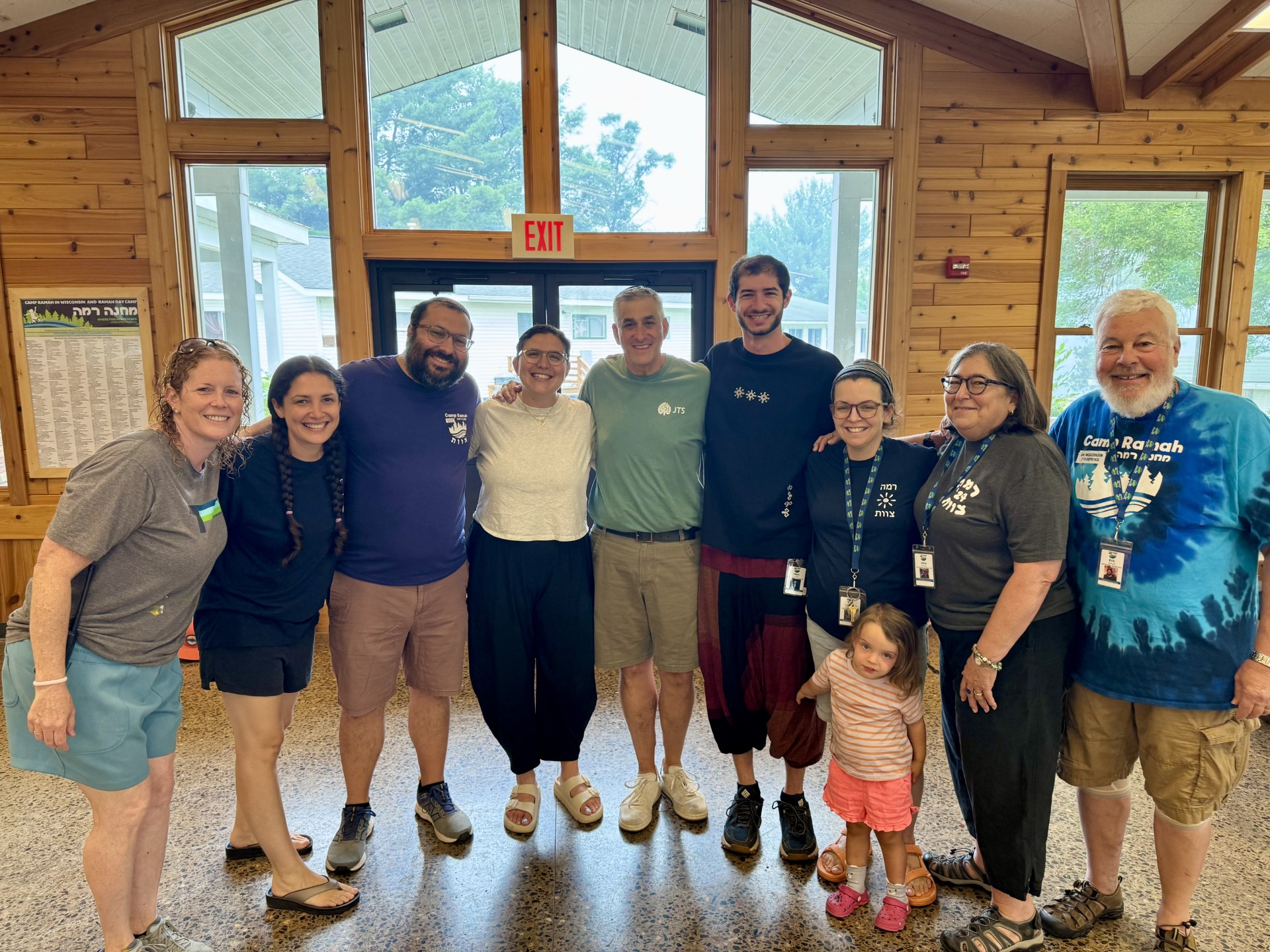
Ramah Wisconsin, once again, felt like a homecoming—the place where my own Ramah story began, and a community that continues to hold its history and its future in the same open hand. And at Ramah California, I was fortunate to experience the true magic of Shabbat, culminating in a Machon havdalah, which I had the gift of watching through the eyes of our board chair, who was experiencing this magnificent conclusion to Shabbat for the very first time. Watching that moment land on someone new—the candle, the spices, the quiet before the singing breaks open—was its own kind of reminder of why we do this work.
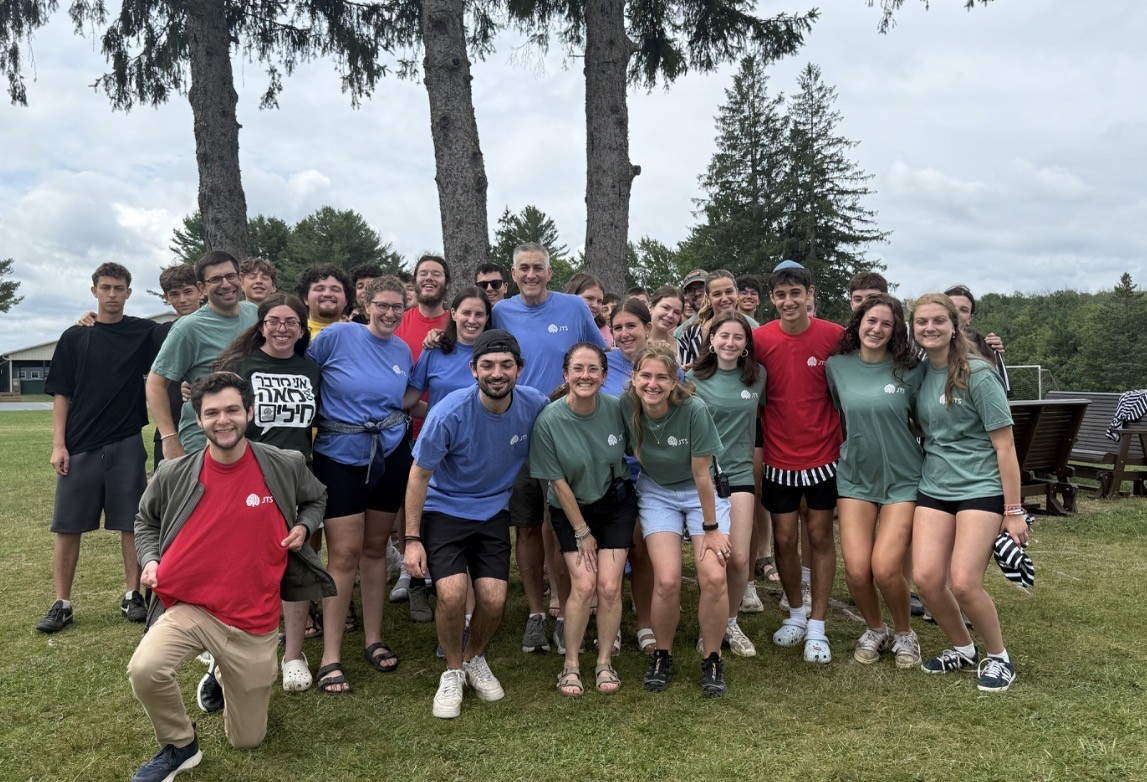
Across all camp visits, what has stuck with me most are the conversations. I had the privilege of connecting with so many of our students and alumni—engaging in dialogue that stretched from camp porches to dining hall tables—and of sitting with chanichim and tzevet to talk about what a future at JTS could look like for them: as undergraduates at List College, as graduate students in one of our degree programs, or perhaps on the path to the rabbinate or cantorate. In camper after camper, I saw the same spark that first drew me to this work decades ago, and I left each conversation with a renewed sense of how directly these camps feed the future of Jewish leadership.
I am deeply grateful to the colleagues, friends, and communities at every one of the camps who welcomed me so warmly this summer. Their openness and willingness to share the magic of their camps—each one distinct, each one unmistakably Ramah—was a gift I will carry with me.
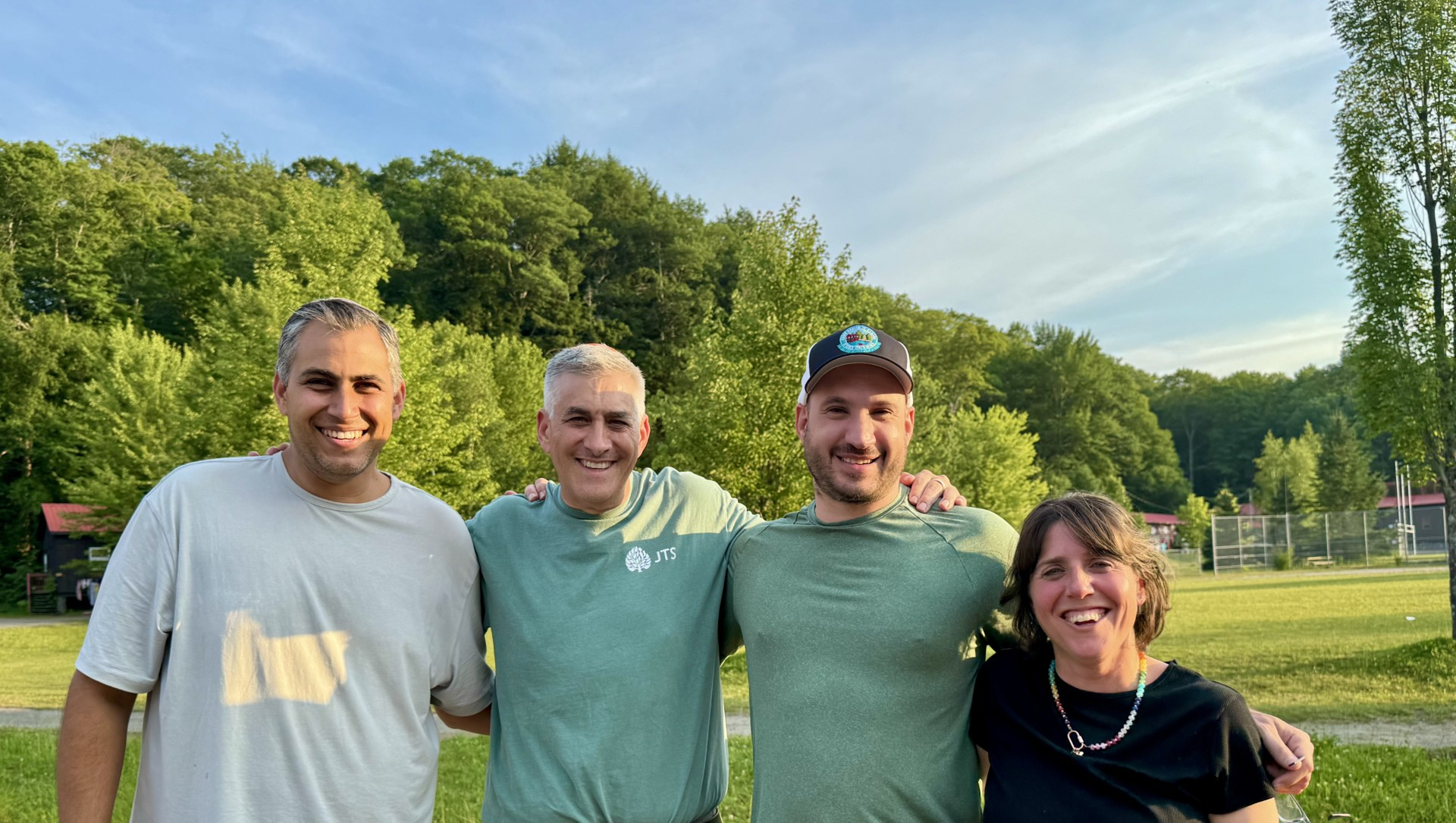
Visiting Ramah camps this summer, in my role as vice chancellor and chief operating officer of JTS, gave me an even fuller appreciation for the scale of Ramah's impact across North America, and for the wisdom and vision that led JTS to launch the very first camp 78 years ago and to keep investing in this movement, decade after decade. We at JTS look forward to continuing to strengthen this partnership with Ramah in the years ahead, deepening the collaboration that enriches both of our institutions and American Jewry as a whole. I return to my work with a full heart, a renewed sense of purpose, and a deepened belief in what the JTS–Ramah connection can build for the Jewish future.