
Building the Next Generation of Jewish Leaders
Rabbi Cantor Shoshi Levin Goldberg, Director of the H.L. Miller Cantorial School, JTS
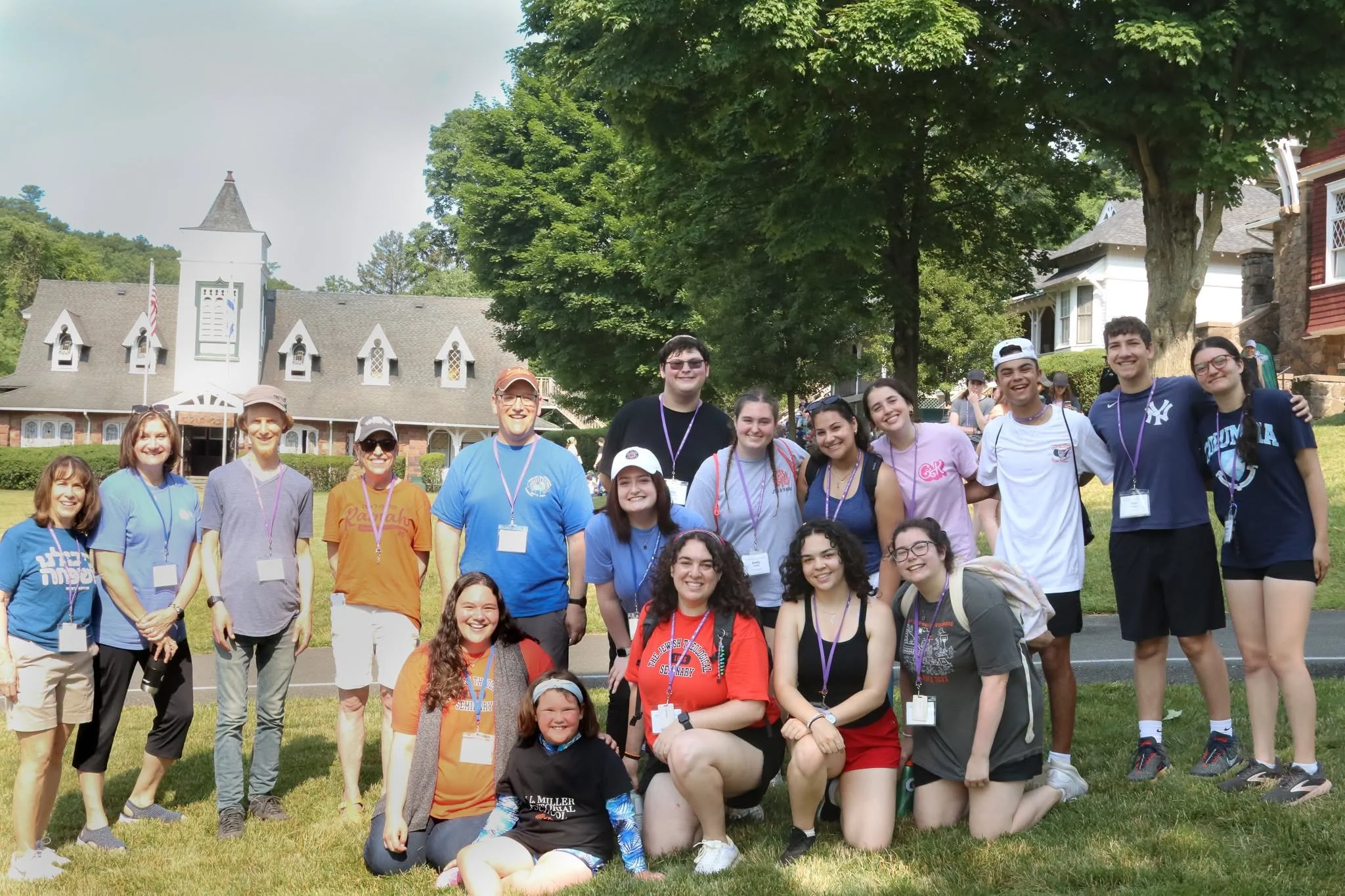
This summer, I spent time at two Ramah camps: Ramah Day Camp in Nyack, New York and Camp Ramah in the Poconos. A major highlight of these visits is catching up with our JTS cantorial and rabbinical students, and it was wonderful to see so many of them in action in a variety of roles at camp, from hinukh/education (Rebecca Cushman) to camp mashgiah (Noah Fulton-Beale) to rashei edot (Abigail Goldberg-Zelizer and Ariel Creditor). Each of these future clergy brings their unique talents and energy to their jobs on tzevet/staff, and they serve as wonderful role models to fellow staff members and campers alike. It was also inspiring to connect with current college students considering a future in the Jewish professional world, as clergy, educators or other professionals.
Visiting Ramah camps makes me optimistic about our Jewish future. This summer, I noticed the strength and power of Ramah in several realms:
First, our liturgical and ritual future is strong. I noticed excellent use of Nusah/prayer modes on Shabbat and experienced a very moving Tisha BeAv where over 25 staff members chanted Aicha. I was there for Shabbat Nachamu, a Ramahcappella highlight of the summer. Someone read Haftarah for the first time since her Bat Mitzvah, and everyone celebrated her. The zemirot/Shabbat songs were beautiful, and the ruach was palpable. Camp Ramah provides a welcoming, low-pressure environment to hone these important skills necessary for Jewish literacy and ritual leadership.
Next, the next generation of Jewish leaders are thoughtful and self-reflective. On Tisha BeAv, I taught about the commandment to be mournful on the holiday. We discussed other Jewish holidays that require a certain mood, and explored the ways that October 7 changed many of our experiences of the Jewish calendar. Over Shabbat, staff members offered Divrei Torah that connected the themes of Pareshat VaEthanan to the ways that the tzevet encourages their chanichim to be the best versions of themselves.
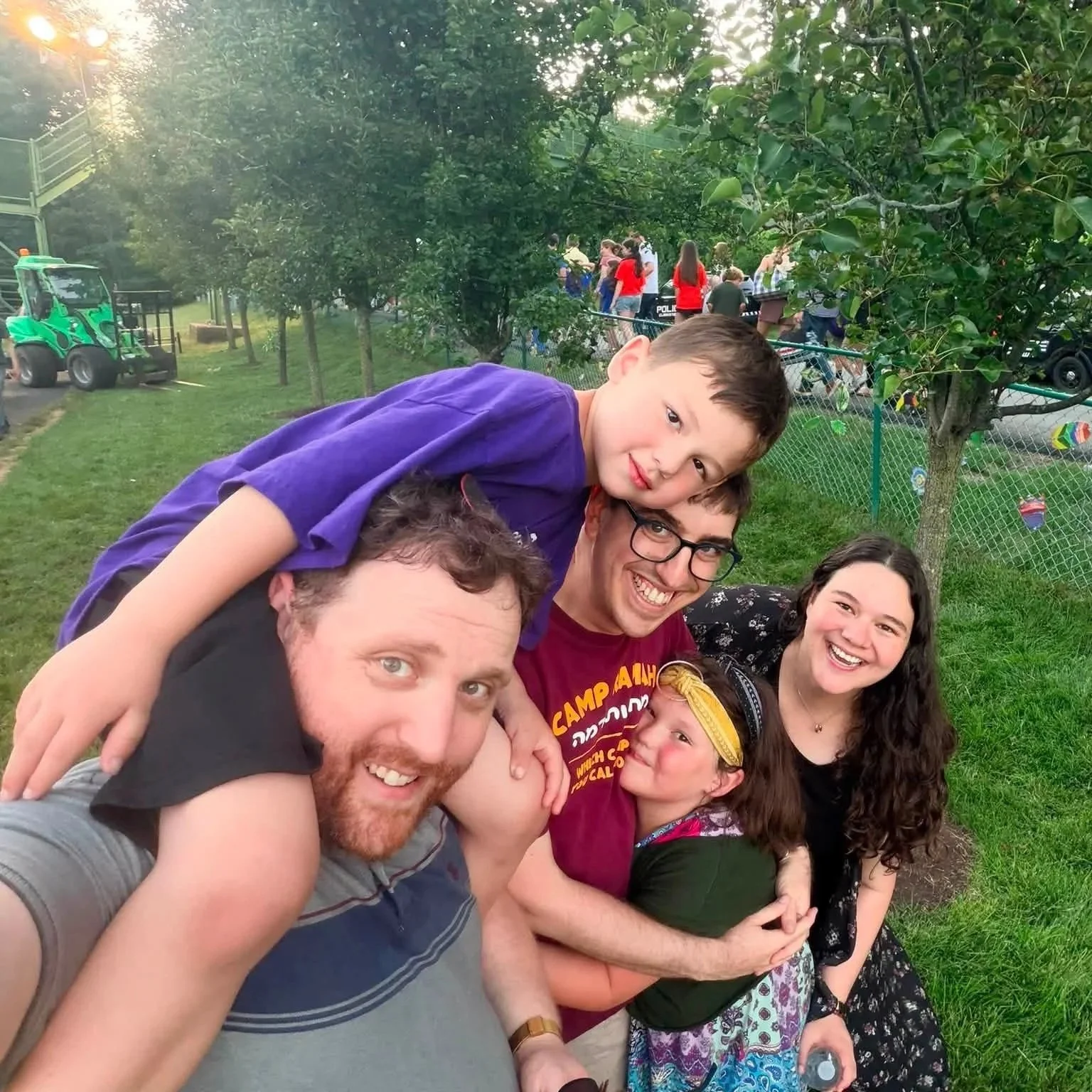
And lastly, nothing can compare to my experience as a Ramah parent, now at two different camps. Part of the beauty of the Ramah system is that my child was able to navigate the transition to spending a week at Ramah Poconos. She couldn’t wait to share which dances and songs were exactly the same and which had subtle differences. She went to Ramah Poconos for the first time, knowing nobody, and she felt at home.
I am sharing the following with my child’s consent: At Zimriyah this summer, my daughter, Hadar, got emotional during one of the songs. From the audience, I watched her counselors and rosh edah immediately notice her distress and support her, throwing their arms around her shoulders and empowering her to do exactly what she needed in that moment. I watched Hadar mouth the words, “I can do this,” as she continued to sing through her tears, modeling for all of us the type of resilience that is only possible when it comes from within such a strong kehillah/community.
Twenty years ago, as a staff member at Ramah Nyack, I felt a sense of belonging at camp that inspired me to become a Jewish leader. My religious, ritual and theological questions were all welcome at camp. Current camp Director, Rabbi Ami Hersh, taught me how to put on tefillin at camp. I grew in my leadership and as a human being, not only as a Jew. Now, I have the immense privilege of witnessing our current and future students – including my very own children – experience the same. Thank you, Ramah!